
Port Guide
Galle & Trincomalee
Sri Lanka maintains two official yacht entry ports — Galle on the south coast and Trincomalee on the east. Both require advance appointment of a licensed agent before arrival. This guide covers approaches, anchorages, facilities, and seasonal notes for each.
South coast · Primary port
Galle
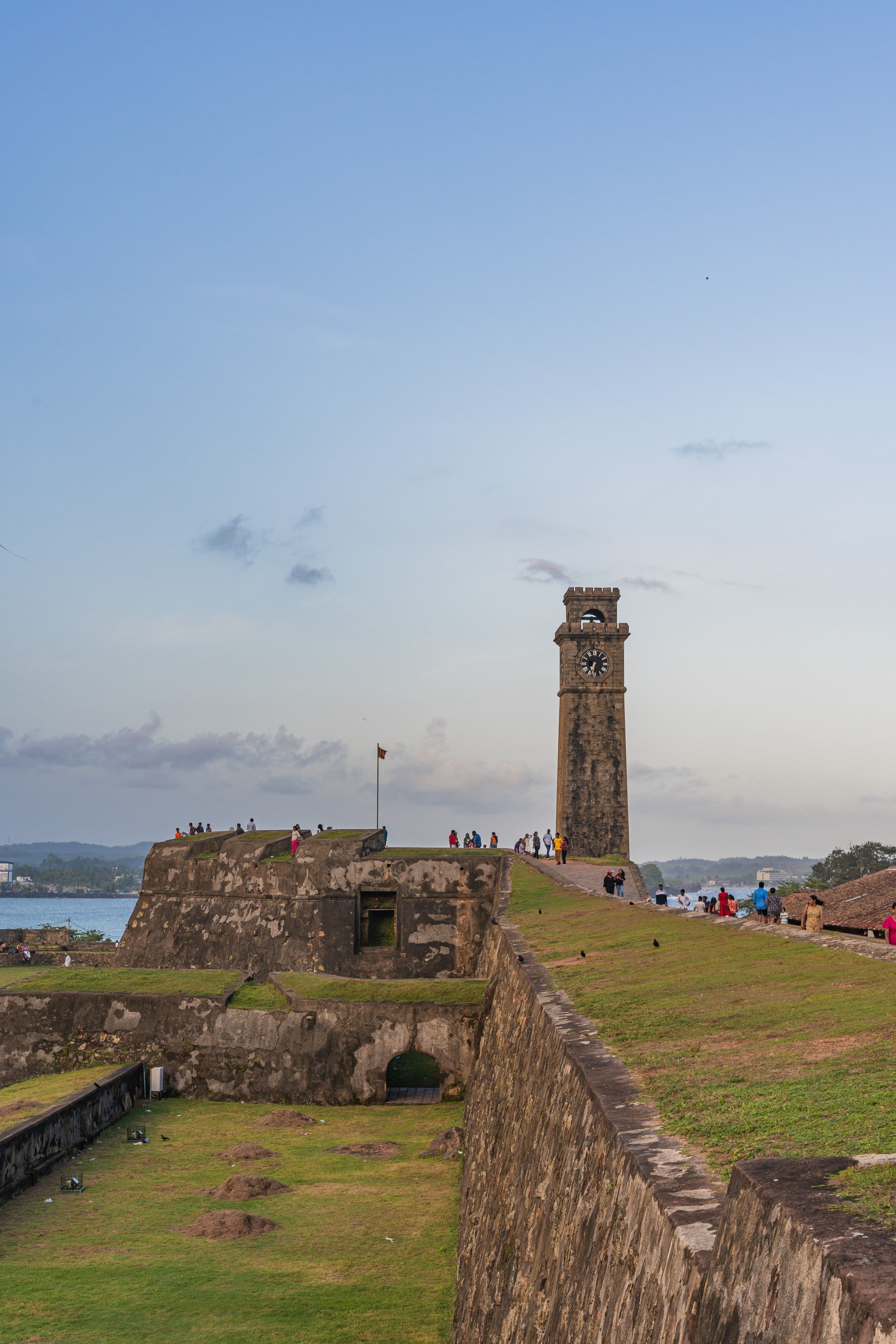
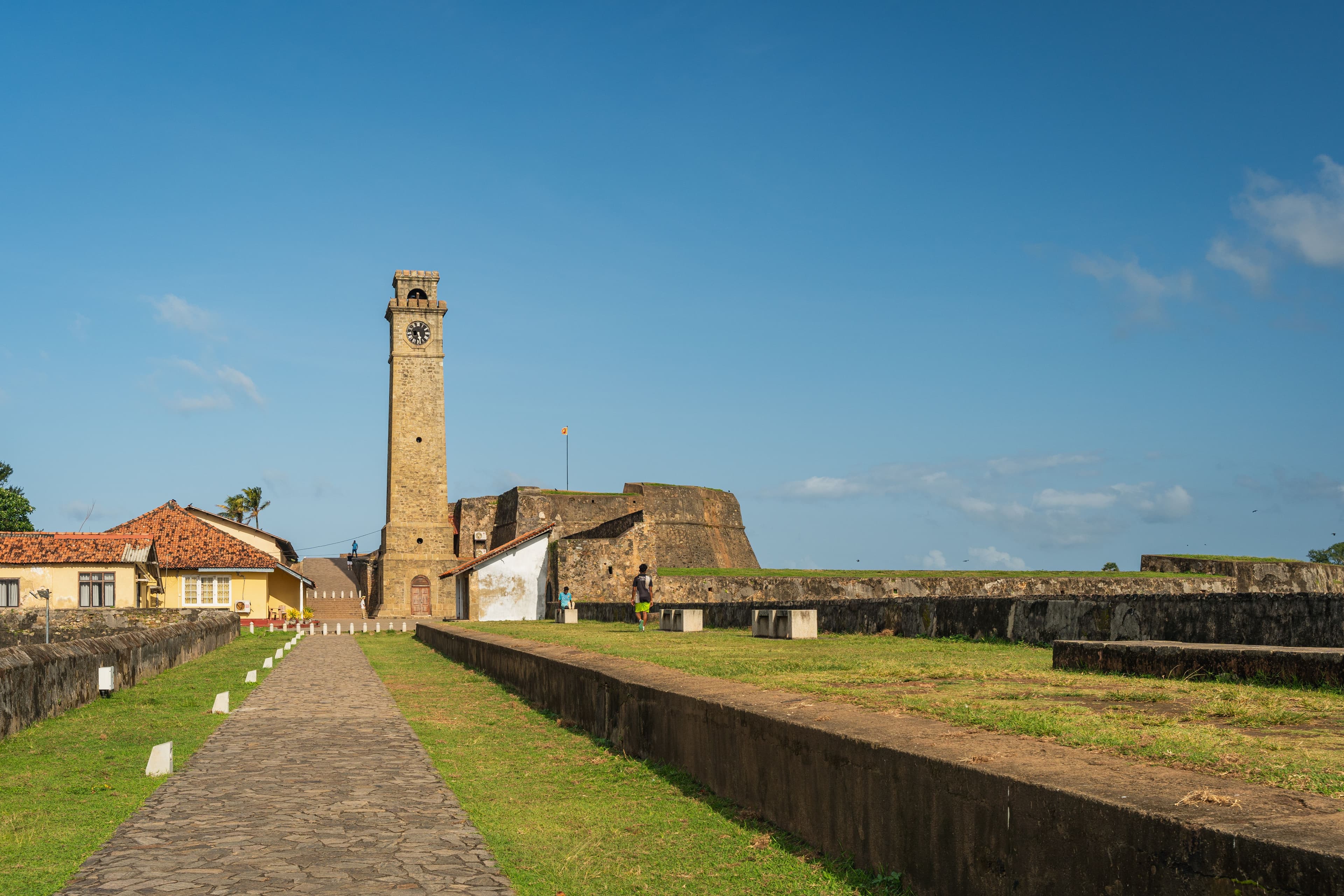
Sri Lanka's principal yachting destination, sheltered by one of the Indian Ocean's best-known colonial-era forts. Galle Harbour sits inside a modern breakwater and handles the majority of cruising yachts arriving from the west.
Quick facts
Approach & entry
Outer waypoint
6° 01.0′ N 80° 12.0′ E — clear of the reef shoal extending SW of the breakwater head.
Call Port Control
At ~1.5 NM call on VHF 16. Magnate's agent monitors and can relay. Wait for permission before entering the harbour mouth.
Enter on 060°T
Keep the western breakwater close to starboard. Maintain slow speed past the fishing craft on the north side.
Berth assignment
Port Control will direct you. Commercial vessels take the east quay; yachts are typically placed at the dedicated small-craft pontoon or alongside the north wall.
Facilities
Fuel
Diesel by jerry can or barge. Advance arrangement needed.
Water
Available on the dock. Treated municipal supply.
Provisions
Full supermarkets and a fresh market 15 min walk from the fort gates.
Repairs
Chandlery limited; mechanical and electrical contractors available. Allow lead time.
Connectivity
Good 4G in the harbour area. SIM cards available in Galle Fort.
What's within reach
Galle Fort, a UNESCO World Heritage site, is a ten-minute walk from the dock. The city's Dutch-colonial ramparts, boutique hotels, and fresh-catch restaurants are walkable. Sri Lanka's south coast whale-watching grounds lie just 10–15 NM offshore. Inland, Yala National Park and the hill country are within a half-day's road trip — both easily arranged as add-on excursions through Magnate.
East coast · Natural deepwater harbour
Trincomalee
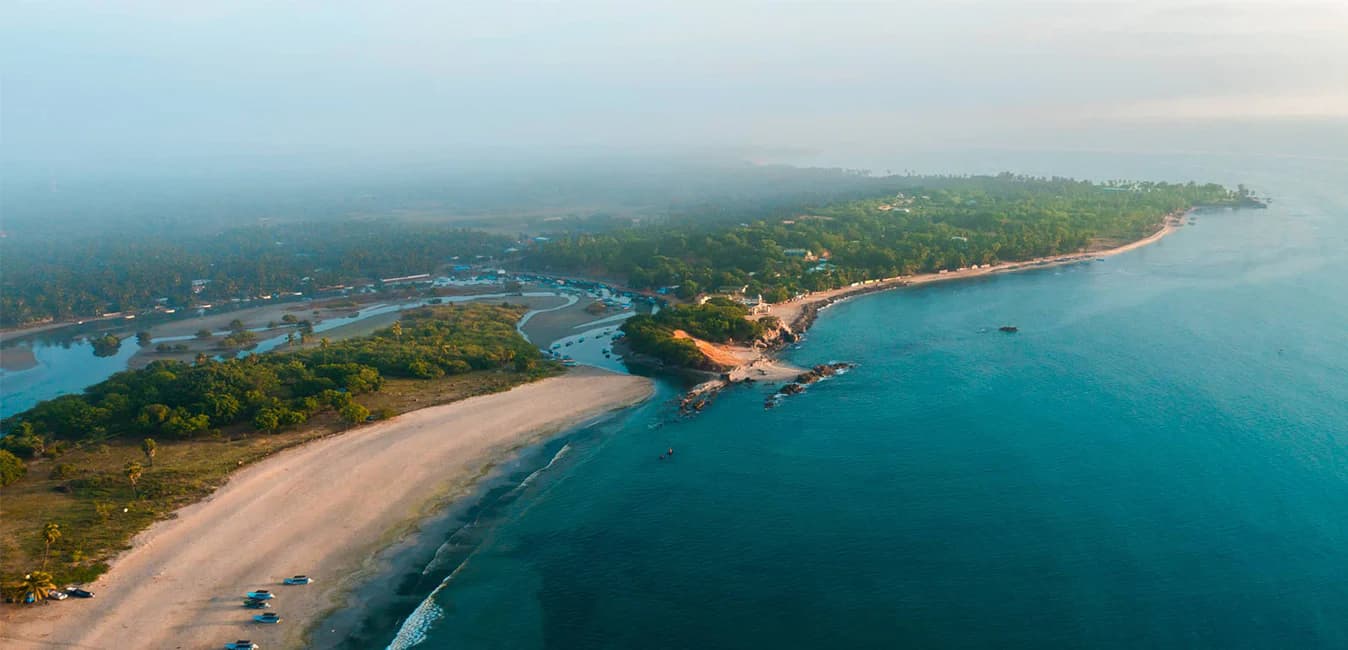
One of Asia's finest natural deepwater anchorages, Trincomalee has sheltered fleets since antiquity. The harbour is immense — protected by headlands on three sides, it offers superb holding in all conditions and a very different face of Sri Lanka to the south.
Quick facts
Approach & entry
Outer waypoint
8° 33.0′ N 81° 13.5′ E — open water, free of dangers on the final 5 NM approach track.
Call Port Control
At ~2 NM call on VHF 16. Announce vessel name, flag, persons on board, and last port. Permission is typically granted promptly.
Enter via main channel
Follow the lit channel buoys. The natural deepwater harbour offers excellent natural protection — depths of 20 m+ inside.
Anchorage or berth
Yachts typically anchor in the designated small-craft area north of the commercial wharf. Our agent will confirm position on arrival.
Facilities
Fuel
Diesel available via the commercial fuel point. Coordinate through your agent.
Water
Available at the dock. Limited pressure — fill tanks slowly.
Provisions
Town market within 20 minutes. Fresh fish, local produce, basics. Less variety than Galle.
Repairs
Mechanical support available. Parts sourcing from Colombo if needed (3–4 hrs overland).
Connectivity
4G coverage patchy inside the harbour. Better signal in town.
What's within reach
Pigeon Island National Marine Park — one of Sri Lanka's best reef dive sites — is a short tender ride away. The bay itself is home to dolphins and blue whales during season. Ashore, the ancient Koneswaram temple sits dramatically on a headland above the harbour. Further inland, Minneriya and Kaudulla national parks host the famous elephant gatherings — hundreds of elephants converging on ancient tanks as water levels drop in the dry season.
Season & weather
Two coasts, two seasons — plan your circuit accordingly.
South coast
Galle
Best window
Nov → Apr
Avoid
May → Oct (SW monsoon)
Protected from the NE monsoon by the breakwater. During the SW monsoon the approach can be exposed — heavy swells from the southwest.
East coast
Trincomalee
Best window
May → Sep
Avoid
Nov → Jan (NE monsoon)
One of Asia's finest natural harbours. Sheltered in all conditions once inside. East coast season is the inverse of Galle.
Ready to arrive?
You need a licensed agent
before you enter port.
Sri Lanka requires all visiting yachts to appoint a licensed clearing agent ahead of arrival. Magnate handles clearance at both Galle and Trincomalee — fixed fee, met at the dock.
Visa required before arrival — all crew must apply online before reaching Sri Lanka. Apply at eta.gov.lk →